Slot volatility is one of the most important concepts that players encounter when exploring different games. While many people focus on RTP percentages, volatility plays an equally important role in determining how a game behaves.
Understanding volatility can help players choose games that match their personal preferences and entertainment style.
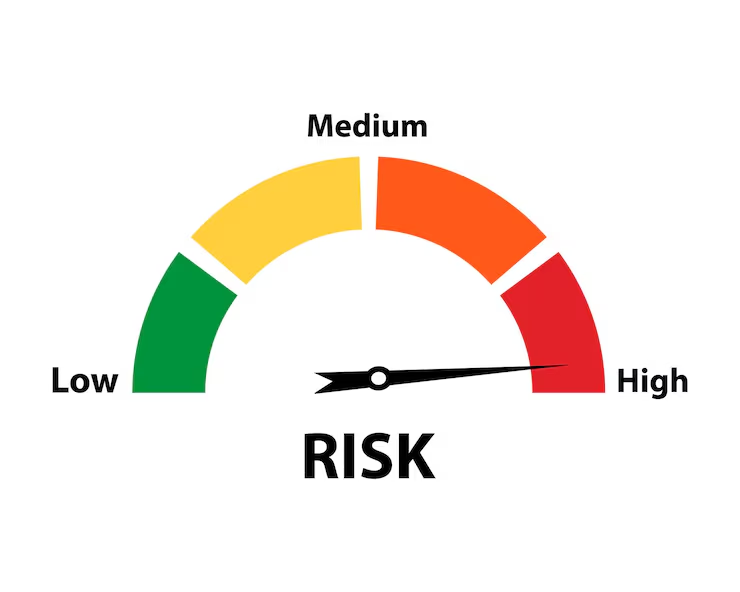
What Is Slot Volatility?
Volatility refers to the level of risk associated with a game.
It measures:
- How often wins occur.
- The size of potential wins.
- The variation between winning and losing sessions.
Games generally fall into three categories:
- Low volatility
- Medium volatility
- High volatility
Each type offers a different playing experience.
Low Volatility Games
Low volatility games usually provide:
- Frequent wins
- Smaller payouts
- Lower fluctuations
These games are often preferred by players who enjoy longer sessions and consistent gameplay.
Characteristics:
- Smaller rewards
- More regular payouts
- Reduced risk
Medium Volatility Games
Medium volatility games balance risk and reward.
Players may experience:
- Moderate win frequency
- Medium-sized payouts
- Balanced gameplay
Many modern games fall into this category because they appeal to a wide audience.
High Volatility Games
High volatility games generally provide:
- Larger potential payouts
- Less frequent wins
- Greater fluctuations
These games may involve longer periods without significant wins, followed by larger rewards.
Characteristics:
- Higher risk
- Bigger potential payouts
- Greater variance
Volatility and RTP
Volatility and RTP are often confused, but they measure different things.
RTP measures theoretical long-term returns.
Volatility measures how wins are distributed.
For example:
- Game A: 96% RTP, low volatility.
- Game B: 96% RTP, high volatility.
Although both games share the same RTP, the playing experience may differ significantly.
Readers who want to understand RTP in greater detail can also read our guide on What Is RTP in Slot Games?
Choosing the Right Volatility
The best choice depends on personal preference.
Low volatility may suit players who prefer:
- Longer sessions
- More frequent wins
- Lower risk
High volatility may appeal to players who enjoy:
- Larger potential rewards
- Greater excitement
- Higher risk levels
Common Misconceptions
High volatility means better games.
Not necessarily. Different players prefer different experiences.
Low volatility guarantees profits.
No. All games involve uncertainty.
RTP and volatility are identical.
These concepts measure completely different aspects of gameplay.
Responsible Play
Understanding volatility helps players set realistic expectations.
Considering:
- Budget
- Session length
- Risk tolerance
can improve the overall entertainment experience.
Final Thoughts
Slot volatility is an important factor when choosing games. By understanding risk levels, players can make informed decisions and select games that match their preferences.
Combined with RTP knowledge, volatility provides a clearer understanding of how modern games operate.